Key takeaways
- Every fuel transaction on a credit card carries a 1% surcharge by default, plus GST on that surcharge.
- Most cards waive the surcharge only on transactions between about ₹400 and ₹4,000.
- The waiver itself is usually capped, commonly ₹100 a month on basic cards, higher on fuel-focused cards.
- A dedicated fuel card's reward rate is usually worth far more than the surcharge waiver alone.
Filled up with a credit card and noticed a small extra charge on your statement? That's the fuel surcharge, a fee credit card networks apply by default on fuel purchases. Most cards waive it, but the rules are narrower than people assume. Here's exactly how it works.
What is the fuel surcharge?
Card networks charge a 1% surcharge on fuel transactions by default, meant to offset the cost fuel retailers would otherwise absorb on card payments. On top of the 1%, 18% GST applies to the surcharge amount itself. So on a ₹2,000 fill-up, the surcharge is ₹20 plus ₹3.60 GST, about ₹23.60 total, before any waiver.
How the waiver works
Most credit cards waive this surcharge, but only within limits:
- Transaction range: typically ₹400 to ₹4,000 per transaction. A ₹300 top-up or a ₹4,500 fill-up may fall outside the waiver and still attract the surcharge.
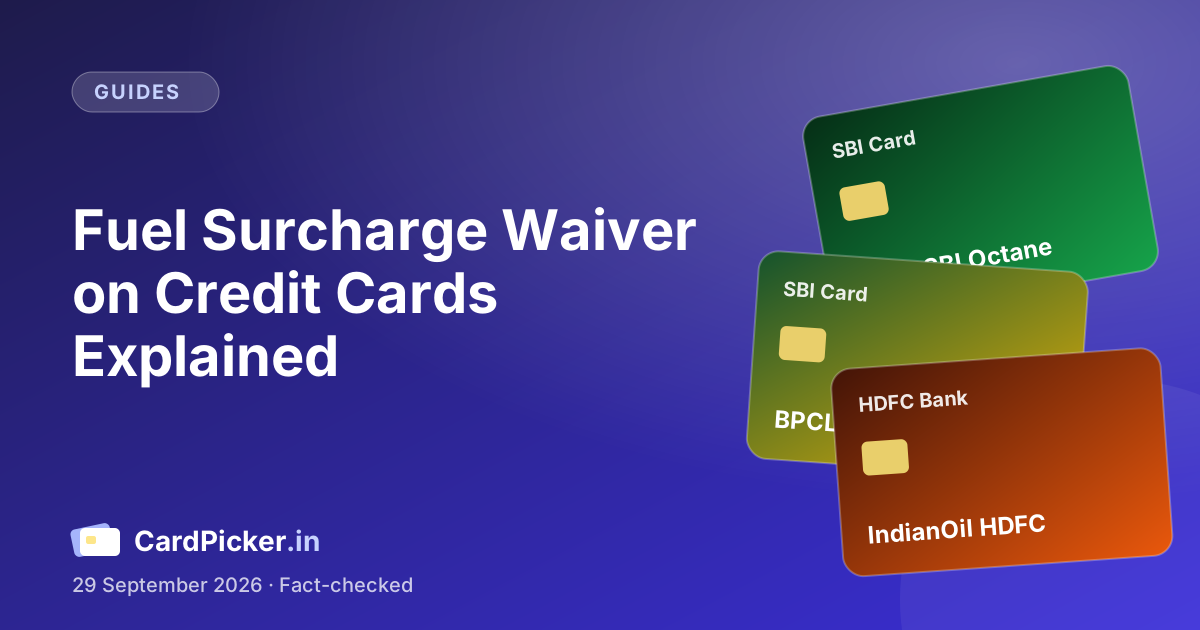
- Monthly cap: the total waiver is usually capped, often around ₹100 a month on standard cards, and higher on fuel-focused cards like BPCL SBI Card Octane.
- Card and brand: some cards waive the surcharge only at specific fuel brands (their partner), not at every pump.
Above the cap or outside the transaction range, the 1% surcharge applies as normal. Check your card's latest schedule of charges for its exact numbers, since they vary by bank and change over time.
Waiver alone vs a dedicated fuel card
The surcharge waiver only cancels a fee; it doesn't earn you anything extra. A dedicated fuel card goes further, giving a reward rate on top of (or instead of) the waiver:
| Card | Fuel reward rate | Monthly fuel reward cap | Surcharge waiver |
|---|---|---|---|
| BPCL SBI Card OCTANE | 7.25% | Rewards on up to ₹7,000 of BPCL fuel a month | Included |
| BPCL SBI Card | 4.25% | Points capped at 1,300 a month | Up to ₹4,000 per transaction, max ₹100 a month |
| IndianOil HDFC Bank | 5% | Points capped at 250/month for 6 months, then 150 | Standard waiver applies |
For someone spending ₹5,000 a month on fuel at the matching brand, a fuel card typically returns several hundred rupees more a month than the surcharge waiver alone, on top of cancelling the surcharge itself. Work out your own numbers with our fuel surcharge and fuel card calculator.
Tips to get the most from the waiver
- Split very large fill-ups into two transactions if your card allows it, so each falls within the waiver's transaction range.
- Avoid very small top-ups. A ₹200 top-up may fall below the minimum transaction size for the waiver.
- Track your monthly cap. Once you've used up the month's waiver, further fuel purchases attract the surcharge until the next cycle.
- Check whether your card needs the waiver "activated"; a few require enrolment or an SMS request each cycle.
Does the waiver show up automatically?
Usually yes: the surcharge is charged and then reversed on your statement, so you may see both a debit and a credit for the same fill-up. If you never see the surcharge charged at all, your card may be applying the waiver at the point of sale. Either way, check your statement occasionally to confirm the waiver is being applied.
See our full ranking of dedicated fuel cards in best fuel credit cards, and NCR-specific tips in best cards for Delhi NCR commuters.
Fuel surcharge on debit cards and UPI
The 1% surcharge is a card-network rule, so it can apply to debit card fuel payments too, though many banks waive it there as well. Paying by UPI at the pump usually avoids the surcharge question entirely, since UPI doesn't carry the same card-network fee structure. If your card doesn't give strong fuel rewards, UPI can be the simpler choice for fuel, while keeping the card for categories where it earns more.
What if the surcharge isn't reversed?
If you're charged the surcharge on an eligible transaction and it isn't waived, contact your bank's customer care with the transaction date, amount and fuel station name. Reversals are usually processed within one or two billing cycles. Keep the fuel receipt until you see the credit on your statement.
Toll payments and FASTag
The fuel surcharge waiver applies specifically to fuel purchases, not toll payments. FASTag recharges through a credit card are a separate transaction type, and rewards or fees on them depend on your card's own rules for wallet loads. See our Delhi NCR commuters guide for the current FASTag annual pass price and how different cards treat FASTag recharges.
FAQs
What is the fuel surcharge on a credit card?
A 1% fee (plus GST) that card networks apply by default on fuel transactions, which most credit cards waive within limits.
What transaction amount qualifies for the fuel surcharge waiver?
Typically between ₹400 and ₹4,000 per transaction. Amounts outside this range often don't get the waiver, though limits vary by card.
Is there a monthly limit on the fuel surcharge waiver?
Yes. Most cards cap the total waiver at ₹100 a month, though fuel-focused cards can offer more.
Is a fuel credit card better than just the surcharge waiver?
For regular fuel spending at the matching brand, yes. A fuel card's reward rate usually adds much more value than the surcharge waiver alone.
Sources
- Moneyview: fuel surcharge waiver on credit cards
- HSBC India: fuel surcharge waiver
- IDFC FIRST Bank: how fuel surcharge is calculated